
Wondering about the house painting cost? Want a clear picture of the hidden costs involved in house painting to plan your budget for a flawless result? Thinking about whether you should DIY or hire experienced painters? Then, you’re in the right place.
In this blog, we’ll cover all aspects of house painting and provide the information you need on costs, key factors, and when to do the job yourself.
What Goes Into Calculating House Painting Cost
Four factors contribute to the overall house painting cost:
1. Surface Area and Square Footage
This determines how much paint and labor are needed for the project. As expected, larger houses take more time and materials; therefore, the painting prices are higher. Additionally, exterior painting, such as for trims and windows, adds to the overall expenses.
2. Labor and Materials
Workers typically account for a significant share of overall costs, up to 70-80%. On the other hand, the rest goes toward materials needed for house painting, including paint, primer, and tape.
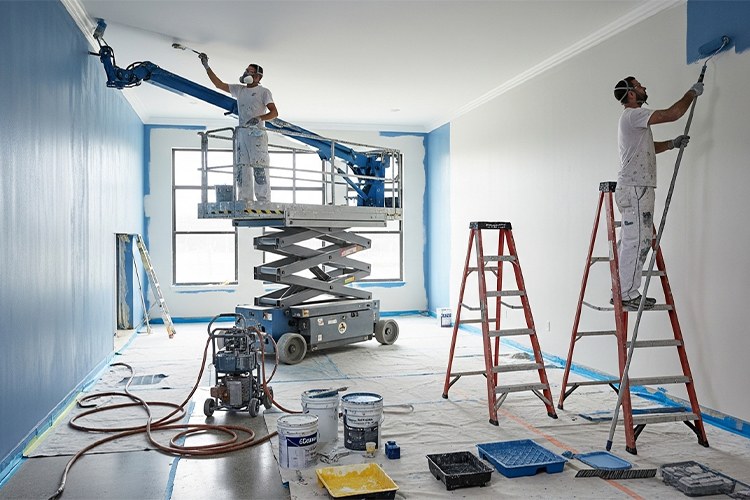
It’s worth noting that skilled painters with more years of experience will usually charge homeowners more. However, their work quality and durability would offset their higher rates and help save money on future touch-ups.
3. Preparation and Complexity
Preparation is the first step in any painting project. When the surface condition is poor and requires more preparation, the house painting cost will increase. Moreover, difficult access can increase the prices.
Simply put, rough or damaged walls that need sanding and professional repair, and multi-story homes that require ladders or scaffolding for preparation, directly affect painting costs. Note that extra coats or textured surfaces require more labor and materials; therefore, you should expect higher expenses if planning to paint such surfaces.
4. Paint Quality, Finish, and Color Changes
Not all materials are equal, nor are all paints. Naturally, premium products will cost more, but they deliver a durable coating that lasts longer and resists fading better. Regarding finishes, glossy or specialty finishes require more prep, which increases the price.
The same logic applies to switching colors. If you wish to paint a dark-colored wall with a bright paint, you’ll need additional coats to achieve high-quality results, so higher costs shouldn’t surprise you.
Schedule a Professional Inspection for an Accurate Estimate
Various factors can affect house painting costs, so getting a precise quote requires an expert inspection. If you’d like an exact estimate, contact us now to schedule a thorough inspection.
Exterior vs Interior Painting Cost
Exterior and interior painting costs differ for various reasons. For instance, exteriors require more preparation work, including scraping, caulking, and priming, thereby increasing the expenses. Additionally, exterior elements require weather-resistant coatings to protect the paint from UV rays, moisture, and temperature extremes. Depending on factors such as house size, height, site accessibility, and paint condition, exterior painting costs are typically calculated based on the square footage of all exterior walls, plus doors, windows, and trim. The cost is usually estimated by multiplying the area’s total square footage by approximately 3.6.
Read more: “A Complete Guide on How to Paint Fiberglass Porch Columns”
In contrast, interior work offers more control and easier access to surfaces. That’s why interior painting usually costs less for a standard home. The involved factors are ceiling height, number of rooms, and trim work. Pricing in interior projects is also commonly based on the square footage of each wall and the ceiling, in addition to doors, windows, and baseboards.
Keep in mind that bathrooms and kitchens may cost slightly more per square foot, since these environments require humidity-resistant paint, which is more expensive, and additional masking, which adds to both labor and material costs.
Beyond whether the project is interior or exterior, the surface type plays a crucial role in determining the required painting budget. From a technical perspective, brick and stucco need more paint and primer for full coverage and a high-quality result. On the other hand, wood siding and trim may require less paint but must be properly sealed, which adds to the initial price, and periodic maintenance, which incurs ongoing costs over the long term. In general, painting smooth drywall interiors costs less because they can be painted quickly, reducing labor expenses.
Simply put, house painting costs vary notably between interior and exterior work. Considering numerous factors that directly impact rates and material costs, our experts stress that the exact number can only be determined after a full inspection.
Hidden and Additional Expenses You Might Miss
Whatever the final price, all construction projects are prone to hidden and unpredictable expenses, and house painting is no exception. This is a complete list of everything you should be prepared for to avoid surprises:
- Surface preparation
- Priming
- Scaffolding or ladders
- Trim, doors, and windows
- High ceilings or stairwalls
- Color change
- Maintenance and touch-ups
- Weather delays
Some of these increase labor time, while others raise material costs. Furthermore, working in cold weather and the long Canadian winters of this land may cause unexpected project delays, especially for exterior painting.
Read more: “Everything About Replacing Porch Columns in Different Seasons (Complete Guide)”
When DIY Makes Sense and When It Doesn’t
As mentioned earlier, a significant portion of the house painting cost goes to labor. That said, DIY can save you a significant amount of money by eliminating the need for hiring skilled contractors for the project. Now, the question is: when can you do the job yourself, and when is it best to spend more and leave it to professionals?
Simply put, DIY makes sense when the project is small and simple. For example, you can repaint a single room in your house without exterior help. Furthermore, when the wall that needs painting is in good condition and requires minimal prep, it’s fine to paint it yourself. And of course, when you’re low on budget, you might not have another option. Note that inexperienced individuals and homeowners are usually unable to handle the complexities of exterior painting. In other words, DIY is only reasonable for interior work; otherwise, you’re unlikely to achieve a quality finish.
Large buildings or multi-story homes, on the other hand, are better handled by professionals equipped for safety and efficiency. Moreover, the more damaged or textured the surface, the more preparation and skill the job requires.
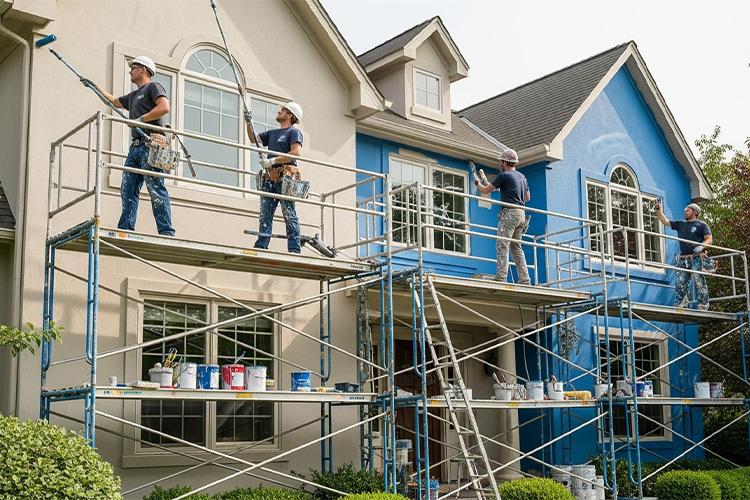
If you want a flawless finish or seamless color transitions with the highest quality, DIY results won’t satisfy your needs. Even coats, clean lines, and longer-lasting paints are achievable when professionals do the job using premium paints and materials. We also explained that, from a broader perspective, exterior painting must be done by expert contractors, since these professionals know how to work at heights and in varying climates and can deliver a durable result.
Take the Guesswork Out of House Painting Cost with Professionals
Several factors contribute to house painting costs, including location, square footage, surface type, and similar factors. In general, interior work is more straightforward and usually costs less compared to exterior painting. Also, in some cases, you can opt for DIY and save money by avoiding contractor fees.
However, the more complex the project, the less practical it is to do the job yourself, so it’s best to seek professional assistance. Our experienced painters at Roll the Wall have painted houses across various regions across Canada, from Brampton and Scarborough to Newmarket and Aurora. Therefore, you can count on our services for your home painting project. Contact us today to schedule an inspection and get an accurate estimate for your project.
Does paint quality really affect cost?
Yes, paint quality directly affects cost and durability. Premium paints have better coverage, richer pigments, and longer-lasting protection, meaning fewer coats and less maintenance over time. Cheaper paints may save upfront, but often require more frequent repainting, increasing long-term expenses.
How often should you repaint your house?
Most homes need repainting every 5 to 10 years, depending on surface material, paint quality, and weather exposure. Exterior surfaces like wood or stucco tend to need more frequent maintenance than brick or vinyl. Indoors, repainting is usually required less often unless there’s heavy wear, smoke, or moisture.
Can I save money by doing the painting myself?
You can save money upfront by painting yourself, especially for small interior rooms or basic touch-ups. However, DIY projects often require buying tools, paint, and prep materials, which can offset savings. If mistakes occur or surfaces need redoing, hiring professionals afterward may end up costing more overall.
What is the average cost to paint a house?
The average cost to paint a house is calculated by multiplying the home’s total square footage by 3.6, while higher ceilings, detailed trim, surface repairs, extra labour, and premium paint finishes can increase the project’s final overall price and overall budget even more than expected.
Have you ever painted your home yourself or hired professionals?
Share which option you chose and what influenced your decision, budget, time, or results. Your experience might help others plan their next house painting project more wisely.
